BRICS Expansion: Can It Change the Global Financial Order?
BRICS—originally Brazil, Russia, India, China, and South Africa—started as a group of emerging economies looking for a bigger voice in the global system. Over time, it grew into a powerful bloc, and now with countries like Saudi Arabia, UAE, Iran, and Egypt joining, the alliance looks stronger than ever.
The big question is: can this expansion really shake up the global financial order?
Why Expansion Now?
Many countries have been frustrated with a world economy dominated by the US and Europe. By adding resource-rich and fast-growing economies, BRICS is positioning itself as a counterweight to Western influence.
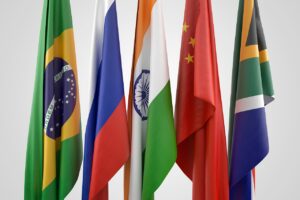 Economic Power of the New BRICS
A bigger share of global GDP. Control over key resources like oil, gas, and agriculture.
A mix of manufacturing giants (China, India) and energy exporters (Saudi, Russia, Iran).
This combination gives BRICS serious weight in global trade.
The Dollar Question?
One of BRICS’ main goals is to reduce reliance on the US dollar. Ideas of a common BRICS currency backed by gold or oil sound bold, but in reality, political differences and economic imbalances make it difficult. For now, the dollar isn’t going anywhere—but BRICS is pushing for gradual change.
What It Means for Investors?
Oil prices could see more influence from BRICS nations. Alternative payment systems may reshape global trade flows. India’s role is key—balancing between the West and BRICS while benefiting from both sides.
Takeaway
BRICS expansion won’t replace the dollar overnight, but it signals the rise of a more multipolar financial world. For investors, the lesson is clear: keep an eye on global shifts, diversify your portfolio, and don’t ignore the power of geopolitics in shaping markets.